Apenzell: A Timeless Font for Elegant Design and Strategic Communication
Apenzell is more than just a font—it’s a design choice that brings a sense of timelessness and elegance to any project. With its soft, handwritten style, Apenzell adds a personal touch that resonates with audiences looking for authenticity and sophistication. Whether you're designing wedding invitations, business cards, or marketing materials, Apenzell offers a unique visual language that can elevate your brand and message.
For professionals and creatives, the strategic use of Apenzell can be a powerful tool in shaping perception, building trust, and creating memorable experiences. Its versatility makes it suitable for a wide range of applications, from formal documents to casual designs. But like any tool, it requires thoughtful consideration to maximize its impact.
Understanding Apenzell: What Makes It Unique
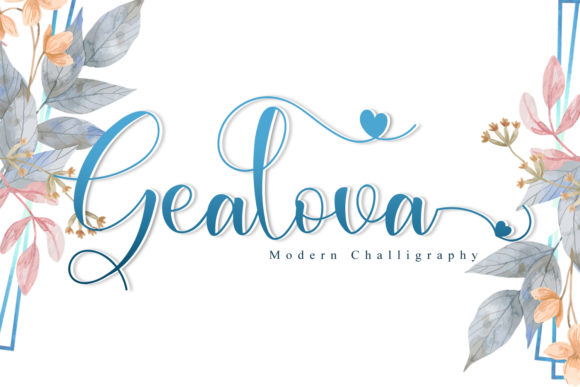
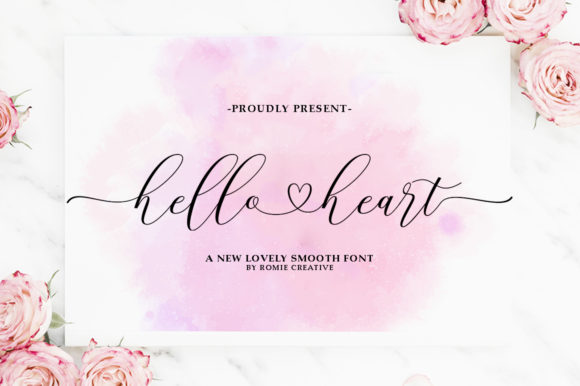
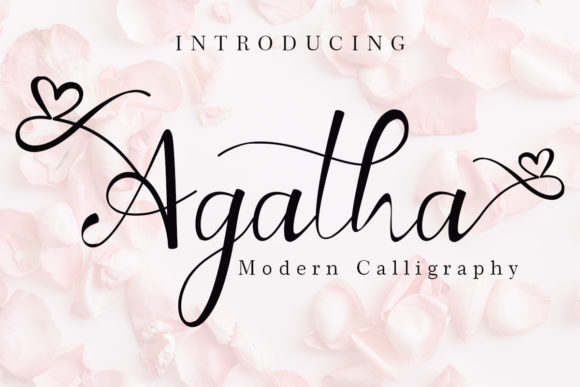
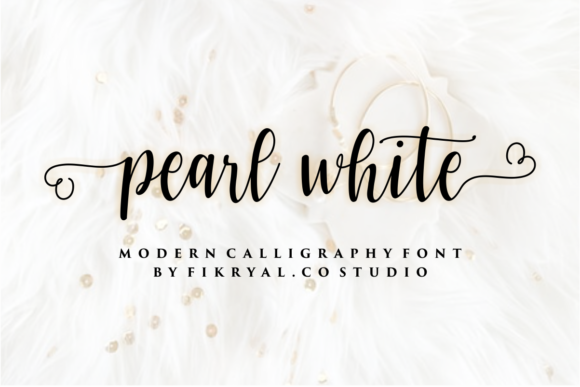
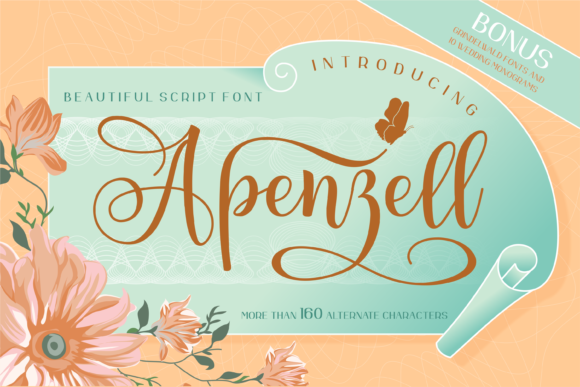
Apenzell is a script font that mimics the look of hand-drawn lettering. Its fluid lines and subtle variations give it a natural, organic feel that stands out from more rigid typefaces. This quality makes it ideal for projects that require a personal, human touch—such as wedding invitations, thank you cards, or quotes on greeting cards.
Unlike many fonts that prioritize uniformity, Apenzell embraces imperfection. Each character has a slight variation, which gives it a more authentic and approachable appearance. This characteristic can be especially valuable when trying to convey warmth, sincerity, or creativity in your messaging.
The font’s elegance also makes it a strong choice for branding. When used consistently across different platforms, Apenzell can help establish a cohesive visual identity that feels both professional and inviting. For small businesses or independent creators, this can be a key differentiator in a competitive market.
Strategic Use of Apenzell in Design and Communication
When considering where to apply Apenzell, it's important to think about the purpose of your design and the audience you're targeting. For instance, using Apenzell on a business card might signal a creative or artistic approach, while applying it to a corporate report could feel out of place. The font works best when it aligns with the tone and intent of the content.
One practical application of Apenzell is in event-related designs, such as weddings, birthdays, or anniversaries. These occasions often benefit from a personal, heartfelt touch, and Apenzell provides that without being overly ornate. It allows you to maintain a sense of elegance while still feeling genuine and accessible.
Another area where Apenzell shines is in digital communication. When used in email signatures, social media posts, or website headers, it can add a layer of personality that sets your brand apart. However, it's important to balance its use so it doesn’t overwhelm the overall design or reduce readability.
When to Use Apenzell: Best Practices and Considerations
Before incorporating Apenzell into your design, consider the context and the message you want to convey. If your goal is to communicate professionalism and clarity, a more structured font might be more appropriate. But if you're aiming for creativity, warmth, or a personal connection, Apenzell can be an excellent choice.
It's also important to test Apenzell in different sizes and formats. While it looks great in larger text, such as headlines or titles, it may become less legible in smaller point sizes. Always ensure that the font remains readable across all platforms and mediums.
Another consideration is pairing Apenzell with other fonts. To avoid visual clutter, choose a complementary typeface that balances its organic style. For example, pairing Apenzell with a sans-serif font like Helvetica or Arial can create a modern yet elegant contrast that enhances readability and visual appeal.
Planning and Implementation: How to Integrate Apenzell Effectively
Integrating Apenzell into your design process requires a clear plan. Start by identifying the specific goals of your project. Are you looking to enhance the aesthetic of a product? Build a stronger emotional connection with your audience? Or differentiate your brand from competitors? Answering these questions will help you determine whether Apenzell is the right fit.
Once you’ve decided to use Apenzell, consider how it will be applied across different materials. Consistency is key in branding, so ensure that the font is used uniformly across all touchpoints. This includes print materials, digital assets, and even customer-facing communications.
Additionally, think about the tone of your messaging. Apenzell works well with content that feels sincere, creative, or expressive. If your message is more technical or data-driven, you may need to adjust the font’s usage to match the overall style and expectations of your audience.
Long-Term Value: Building a Strong Visual Identity with Apenzell
Over time, the consistent use of Apenzell can contribute to a stronger brand identity. When customers see your logo, packaging, or marketing materials, they begin to associate the font with your brand’s values and personality. This association can build trust and recognition, making your brand more memorable and relatable.
Moreover, Apenzell can support long-term planning by helping you maintain a cohesive visual language. As your business grows or evolves, having a consistent design system—including the use of Apenzell—can streamline future projects and reduce the need for constant rebranding.
However, it's important to remain flexible. While Apenzell can be a powerful asset, it should not be used in isolation. Regularly assess its effectiveness and be open to adjusting your design strategy based on feedback and performance metrics.
Potential Risks: Using Apenzell Without Clear Intent
While Apenzell offers many benefits, using it without a clear purpose can lead to ineffective design choices. For example, applying it to a professional document or a high-stakes presentation might undermine the perceived seriousness of the content. Similarly, overusing the font across multiple elements can dilute its impact and make your design feel cluttered.
Another risk is relying too heavily on aesthetics at the expense of functionality. Apenzell may look beautiful, but if it compromises readability or accessibility, it could hinder the effectiveness of your design. Always prioritize clarity and user experience when making design decisions.
Finally, failing to consider your audience’s preferences can limit the success of your design. Some viewers may find Apenzell too informal or difficult to read, depending on their background or expectations. Conducting user testing or gathering feedback can help you refine your approach and ensure that Apenzell serves its intended purpose.
Conclusion: Embracing Apenzell with Purpose and Precision
Apenzell is a versatile and elegant font that can enhance a wide range of design projects. Its ability to convey warmth, creativity, and authenticity makes it a valuable tool for professionals and creators alike. However, its effectiveness depends on how it is used and the context in which it appears.
By approaching Apenzell with intention and strategy, you can unlock its full potential and create designs that resonate with your audience. Whether you’re working on a wedding invitation, a business card, or a branding project, Apenzell offers a timeless solution that supports both aesthetics and purpose.