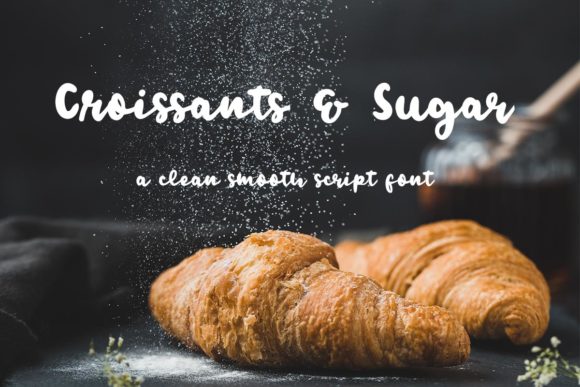
Croissants Sugar: A Handwritten Touch for Every Design Workflow
Croissants Sugar is a unique handwritten font that blends sweetness with elegance. Its flowing, organic style makes it ideal for projects requiring a personal, artisanal feel. Whether you're designing wedding invitations, crafting thank-you cards, or developing logos, this font adds a warm and inviting touch that stands out in any visual composition.
Understanding how to integrate Croissants Sugar into your design process can enhance the overall aesthetic of your work. This font isn’t just about visual appeal—it’s about creating a sense of authenticity and connection. In a world where digital tools often dominate, using a handwritten font like Croissants Sugar can make your designs feel more human and approachable.
When to Use Croissants Sugar in Your Projects
Croissants Sugar fits naturally into various stages of a project. Before starting, it can inspire creativity by offering a visual reference for the tone and mood you want to convey. During the design phase, it serves as a key element that defines the personality of your work. After completion, it can be used to add finishing touches that reinforce the intended message.
For example, when working on a wedding invitation, Croissants Sugar can be used for the couple’s names or the event details. Its soft curves and gentle strokes evoke a sense of romance and intimacy, aligning perfectly with the theme of the occasion. Similarly, in a business card design, this font can add a personal flair that differentiates your brand from competitors.
Integrating Croissants Sugar with Other Tools and Methods
Croissants Sugar works well alongside other design tools and methods. It pairs effectively with graphic design software like Adobe Illustrator, Photoshop, or Canva, allowing for seamless integration into existing workflows. When combined with typography best practices, it can elevate the readability and visual impact of your designs.
Consider using Croissants Sugar in conjunction with other fonts for contrast. For instance, pairing it with a clean sans-serif font like Helvetica or Arial can create a balanced composition that highlights the handwritten style without overwhelming the viewer. This approach is especially useful in marketing materials, where clarity and aesthetics must coexist.
Additionally, Croissants Sugar can be used in conjunction with layout planning techniques. By considering hierarchy, spacing, and alignment, you can ensure that the font enhances rather than detracts from the overall design. This requires attention to detail but results in a more polished and professional outcome.
Practical Implementation Tips for Croissants Sugar
To get the most out of Croissants Sugar, start by understanding its characteristics. The font has a natural flow that mimics real handwriting, which means it may not always align perfectly with grid-based layouts. Adjusting letter spacing and line height can help maintain consistency across different design elements.
When working on a project, test Croissants Sugar in multiple contexts. For example, use it in both large headings and smaller body text to see how it performs at different sizes. This helps identify any potential issues with legibility or visual balance before finalizing the design.
Another practical tip is to use Croissants Sugar selectively. While it adds a unique touch, overusing it can dilute its impact. Apply it to key elements such as titles, captions, or callout text rather than entire blocks of text. This ensures that the font remains a highlight rather than a distraction.
Workflow Examples Using Croissants Sugar
Let’s explore a few workflow examples to illustrate how Croissants Sugar can be used effectively. Suppose you’re designing a set of greeting cards for a boutique shop. Begin by selecting the font for the main message or tagline. Then, pair it with a simpler font for the address or additional information. This creates a layered effect that draws attention to the most important parts of the design.
Another scenario involves a branding project for a small business. Use Croissants Sugar for the logo or slogan to establish a friendly and approachable identity. Combine it with a more structured typeface for the business name or tagline to maintain professionalism while still conveying warmth.
In a content creation context, such as a blog or social media post, Croissants Sugar can be used for headlines or featured text. This adds a personal touch that engages readers and makes the content more memorable. However, ensure that the font doesn’t interfere with the readability of the surrounding text.
Factors to Consider for Long-Term Use
When planning to use Croissants Sugar regularly, consider factors such as compatibility, accessibility, and consistency. Ensure that the font is available across different platforms and devices to maintain a uniform appearance. If working with clients or collaborators, provide clear guidelines on how to use the font effectively.
Accessibility is another important consideration. While Croissants Sugar is visually appealing, it may not be the best choice for all audiences. For instance, users with visual impairments may find it harder to read. In such cases, offer alternative text or use the font sparingly to avoid compromising usability.
Consistency is key when integrating Croissants Sugar into long-term projects. Establish a style guide that outlines where and how the font should be used. This ensures that it remains a cohesive part of your design language and avoids unnecessary variations that could confuse viewers.
Final Thoughts on Croissants Sugar
Croissants Sugar is more than just a font—it’s a tool that adds character and personality to your designs. By understanding its strengths and limitations, you can use it strategically to enhance your creative output. Whether you’re working on a personal project or a professional assignment, this font offers a way to infuse warmth and authenticity into your work.
As you experiment with Croissants Sugar, keep an eye on how it interacts with other design elements. Test it in different contexts, refine your approach, and let it become a natural part of your workflow. With careful implementation, this font can become a valuable asset in your design toolkit.