Sunflower: A Fresh Handwritten Font for Creative Projects
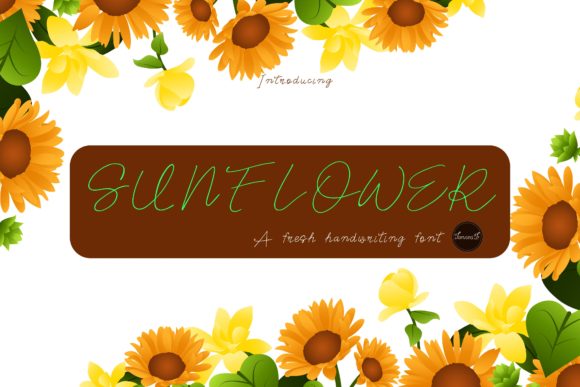
When it comes to typography, the right font can make all the difference in how a message is received. Sunflower is a fresh handwritten font that brings a personal, artistic touch to any design. Whether you're creating greeting cards, book covers, or social media posts, Sunflower offers a unique blend of style and functionality that can elevate your work.
This font is ideal for those who want to add a handcrafted feel to their projects without the hassle of writing by hand. Its natural, flowing letters mimic the look of real handwriting, making it perfect for designs that require a warm, approachable aesthetic. Sunflower is especially popular among artists, designers, and small business owners looking to stand out in a crowded market.
The Unique Qualities of Sunflower
Sunflower’s charm lies in its organic, unstructured appearance. Unlike traditional fonts that are rigid and uniform, Sunflower has subtle variations in each letter, giving it a more authentic, human feel. This makes it particularly well-suited for projects that aim to convey a sense of personality and creativity.
One of the standout features of Sunflower is its versatility. It works well in both digital and print formats, allowing users to apply it across a wide range of mediums. Whether you're designing a logo, crafting a poster, or adding text to a website, Sunflower adapts seamlessly to different contexts.
The font also includes a variety of ligatures and alternate characters, which can be used to create more dynamic and visually interesting compositions. These details allow for greater customization, enabling designers to fine-tune their work to match specific themes or brand identities.
Practical Applications of Sunflower
Sunflower is widely used in the creation of greeting cards, where its handwritten style adds a personal touch that feels more heartfelt than a standard printed message. For example, a wedding invitation or birthday card using Sunflower can give the recipient the impression that the message was written by hand, enhancing the emotional impact of the design.
In the realm of book covers, Sunflower can help differentiate a title from the competition. Authors and publishers often use this font to create a more inviting and artistic look, especially for genres like poetry, children's books, or indie publications. The font’s soft curves and gentle lines contribute to a reading experience that feels more intimate and engaging.
Social media platforms have also embraced Sunflower as a go-to font for content creators. Influencers, bloggers, and brands use it to craft eye-catching captions, quotes, and graphics that stand out in a fast-paced digital environment. Its readability and visual appeal make it an excellent choice for short-form content that needs to capture attention quickly.
How Sunflower Fits Into Modern Workflows
As more people turn to digital tools for creative expression, the demand for fonts that offer both style and usability continues to grow. Sunflower meets this need by providing a balance between aesthetics and practicality. Its clean, legible structure ensures that it remains readable even at smaller sizes, making it suitable for a variety of applications.
Designers working on branding projects often choose Sunflower to add a distinctive element to their visual identity. Whether it's for a new startup, a boutique store, or a community event, the font can help establish a cohesive and memorable brand presence. Its flexibility allows it to complement other design elements without overpowering them.
For individuals who are not professional designers, Sunflower offers an accessible way to enhance their projects. With easy-to-use design software and online tools, anyone can incorporate this font into their work. This accessibility makes it a valuable resource for students, hobbyists, and small business owners who want to improve the visual appeal of their materials.
Recommendations for Using Sunflower
If you're considering using Sunflower in your next project, there are a few key considerations to keep in mind. First, ensure that the font is properly licensed for your intended use. Many fonts come with specific terms for commercial versus personal use, so it's important to review these details before proceeding.
Another tip is to experiment with different sizes and weights to find the best fit for your design. While Sunflower is generally readable, adjusting its size can affect how it appears in various contexts. Testing it in multiple formats—such as print, web, and mobile—can help you achieve the desired outcome.
Finally, don't be afraid to combine Sunflower with other fonts to create contrast and visual interest. Pairing it with a more structured typeface can help balance its organic nature while still maintaining a cohesive design. This approach is particularly effective in multi-page layouts, such as brochures or magazines, where variety enhances the overall experience.
Why Sunflower Stands Out
What sets Sunflower apart from other handwritten fonts is its ability to maintain clarity while still feeling expressive. Many similar fonts can become difficult to read when used in large blocks of text, but Sunflower retains its legibility even in longer paragraphs. This makes it a reliable choice for projects that require both style and functionality.
Additionally, Sunflower’s popularity has led to a growing community of users who share tips, tutorials, and design ideas. This support network can be invaluable for those looking to get the most out of the font. Whether you're a beginner or an experienced designer, there's always something new to learn about how to use Sunflower effectively.
Ultimately, Sunflower is more than just a font—it’s a tool that empowers creativity and enhances communication. By choosing Sunflower, you’re not only selecting a stylish typeface but also embracing a versatile and expressive way to convey your message. Whether you're designing for personal or professional purposes, Sunflower can help you make a lasting impression.