Allacarte: A Strategic Choice for Elegant Typography
For professionals and creatives seeking a font that balances charm with sophistication, Allacarte stands out as a versatile and elegant option. This handwritten-style typeface is more than just a visual choice—it’s a strategic tool that can enhance communication, branding, and design outcomes when used thoughtfully. Whether you're designing wedding invitations, business cards, or digital content, Allacarte offers a unique blend of personality and polish that aligns with modern design needs.
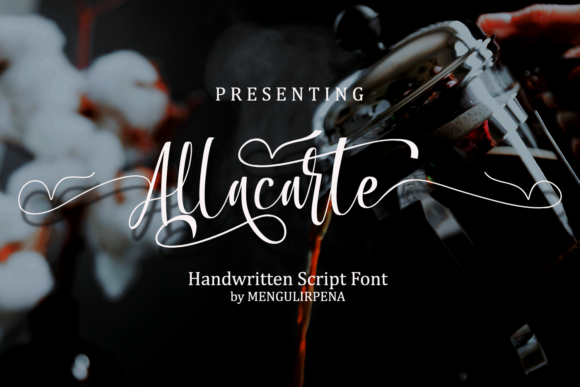
At its core, Allacarte is designed to mimic the natural flow of handwriting while maintaining the consistency required for professional use. Its varying baseline, smooth lines, and stunning alternates make it ideal for projects where a personal touch is desired without sacrificing clarity or refinement. The font’s PUA encoding ensures easy access to all glyphs and swashes, making it a practical choice for designers who want flexibility without technical barriers.
Why Allacarte Matters in Modern Design
In an era where digital communication dominates, the human element remains crucial. Allacarte bridges the gap between digital precision and organic warmth, offering a font that feels both authentic and professional. For businesses aiming to build emotional connections with their audience, this typeface can be a powerful ally. It conveys approachability and creativity, which are essential in fields like marketing, education, and small business branding.
Strategically, Allacarte supports goals by adding a layer of visual storytelling to any project. When used in greeting cards, thank you notes, or logos, it reinforces a brand’s identity with a sense of care and individuality. This is particularly valuable for entrepreneurs and freelancers looking to differentiate themselves in competitive markets. The font’s versatility allows it to adapt to various contexts, from formal documents to casual social media posts, ensuring consistent messaging across platforms.
Moreover, Allacarte’s aesthetic appeal makes it a strong choice for content creators and educators. In educational materials, it can make information feel more engaging and accessible. For bloggers and publishers, it adds a distinctive visual style that sets their work apart from generic, mass-produced designs.
When to Use Allacarte: Strategic Considerations
Understanding when to use Allacarte is key to maximizing its impact. While it excels in creative and personal projects, it may not be the best fit for every design scenario. For instance, in highly technical or data-driven contexts, a more neutral font might be preferable to maintain readability and professionalism. However, in areas where tone and personality matter—such as marketing campaigns, event invitations, or brand identities—Allacarte can add a meaningful layer of expression.
Before incorporating Allacarte into your design, consider the following factors:
- Context: Is the project informal or formal? Does the message require a warm, personal tone?
- Audience: Will the target audience respond positively to a handwritten style? Does the font align with their expectations?
- Functionality: Does the font support the intended use? Are all necessary glyphs and alternates accessible?
- Consistency: How does Allacarte interact with other fonts in your design system? Does it complement rather than clash?
By evaluating these elements, you can ensure that Allacarte enhances your design rather than complicates it. This thoughtful approach helps avoid common pitfalls, such as overuse or misapplication, which can dilute the effectiveness of the font.
Practical Applications of Allacarte
One of the most compelling aspects of Allacarte is its adaptability. Here are some real-world scenarios where it can be strategically applied:
- Wedding Invitations: Allacarte brings a romantic and personalized feel to wedding stationery, making it a popular choice for couples who want to express their unique style.
- Business Cards: For small businesses or independent professionals, using Allacarte on a business card can create a memorable first impression, signaling creativity and attention to detail.
- Greeting Cards: Whether for birthdays, holidays, or thank-you notes, Allacarte adds a heartfelt touch that resonates with recipients.
- Logos and Branding: Brands aiming to convey authenticity and craftsmanship often use Allacarte in their visual identity to stand out in crowded markets.
- Educational Materials: Teachers and educators can use Allacarte to make lesson plans, handouts, or presentations feel more engaging and less rigid.
Each of these applications highlights how Allacarte can serve as a strategic asset. By choosing the right context and pairing it with complementary design elements, users can achieve visually appealing and functionally effective results.
Planning and Execution: Best Practices
To get the most out of Allacarte, it’s important to plan its use carefully. Start by defining the purpose of your project and identifying the key messages you want to convey. Once you have a clear vision, experiment with different weights, sizes, and layouts to see how Allacarte performs in various formats.
Consider the following tips for optimal results:
- Limit Overuse: While Allacarte is beautiful, using it excessively can reduce its impact. Reserve it for key elements such as headings, titles, or signature blocks.
- Pair Thoughtfully: Combine Allacarte with simpler, more neutral fonts to create balance. This prevents visual clutter and maintains readability.
- Test Across Platforms: Ensure that the font displays consistently on different devices and in various file formats, especially if it will be used digitally.
- Seek Feedback: Ask others for their opinions on how Allacarte looks in your design. Fresh perspectives can reveal strengths and weaknesses you may have overlooked.
By approaching Allacarte with intention and care, you can unlock its full potential and create designs that resonate with your audience.
Risks of Misusing Allacarte
Despite its many benefits, Allacarte can be misused if not applied with care. One common mistake is using it in situations where clarity is more important than aesthetics. For example, in long paragraphs of text, the font’s flowing style may reduce legibility, making it difficult for readers to absorb the message.
Another risk is overloading a design with too many swashes or alternate characters. While these features add visual interest, they can also create a chaotic appearance if not used sparingly. Additionally, relying on Allacarte without considering the broader design strategy can lead to inconsistency, undermining the overall effectiveness of the project.
To avoid these issues, always ask: Does this use of Allacarte serve a clear purpose? Is it enhancing the message or distracting from it? By answering these questions, you can ensure that your design decisions are both aesthetically pleasing and strategically sound.
Long-Term Value of Allacarte
Investing in a font like Allacarte can yield long-term value for individuals and businesses alike. Its ability to convey personality and emotion makes it a powerful tool for building brand identity and fostering customer loyalty. As trends evolve, the timeless appeal of a well-designed handwritten font ensures that Allacarte remains relevant and impactful.
For decision-makers and planners, this means that choosing Allacarte can be part of a broader strategy to differentiate their work and connect with their audience. Whether it’s through a logo, a website, or a marketing campaign, the font offers a way to communicate with authenticity and style.
In the end, Allacarte is more than just a font—it’s a strategic choice that reflects values, intentions, and aspirations. When used intentionally, it can elevate your work and help you achieve better results in a competitive landscape.